Interior Design
In Conversation With Nicholas Walton
In this month's In Conversation With, furniture maker Nicholas Walton shares his approach to making, the enduring appeal of traditional techniques, and the details that give each piece its character.
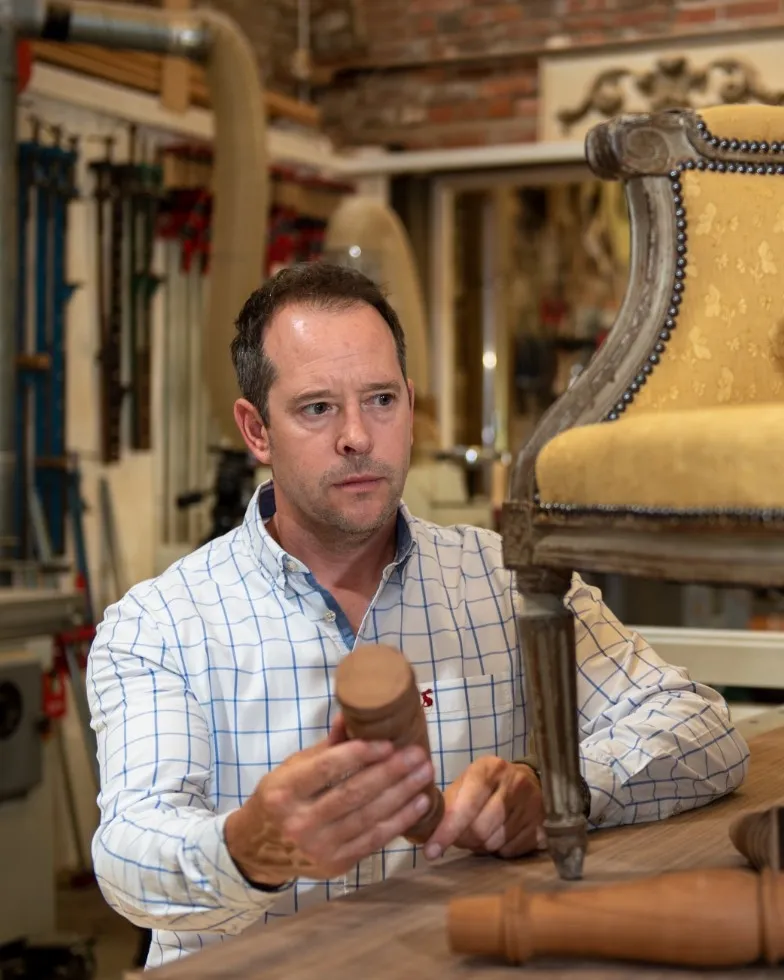
Fine Furniture

The four-poster bed was the focal point of our WOW!house Primary Bedroom. What was your starting point for the design?
The starting point was a discussion around the style and direction Salvesen Graham had in mind for the four-poster bed and the wider WOW!house Primary Bedroom scheme.The period references, design details, finishes and upholstery all had a strong bearing on the final design. The vaulted ceiling canopy was also particularly important, as it influenced both the proportions of the bed and the way the structure needed to be developed.
How would you describe your design philosophy?
My design philosophy is to create furniture that feels considered, balanced and appropriate to its setting.I enjoy working with traditional designs, materials and making techniques, but each piece still needs to respond to the brief, the room and the client’s requirements. The aim is always to develop furniture with the right proportions, details and finish, so that it feels as though it belongs.
What inspires your work most?
I am often inspired by period, antique and early or mid-century designs, particularly when they can be reinterpreted through new materials, combinations of finishes or modern making skills.Creative and enthusiastic clients are also very inspiring. A good design process is often shaped by the conversation between client, designer and maker.
What are the traditional furniture-making techniques that your workshop uses? Was there any relevance to the pomegranates in the bed frame, or indeed any traditional motifs in furniture that might surprise us?
The four-poster bed was made largely using traditional cabinet-making techniques, including mortice and tenon joints.The pomegranates evolved from what could have been a simpler turned detail. They gave the bed a softer and more individual character, compared with more familiar decorative approaches such as carved flowers, reeding, fluting or more conventional post details.
What do you enjoy most about collaborating with interior designers?
I enjoy the direction and enthusiasm that interior designers bring to a project, both at the beginning and throughout the design process.The best collaborations are often focused, but still allow room for discussion, development and a little diversity in the design details and finishes.
Is there a material or detail you find yourself returning to time and again?
We work with a broad variety of materials, but dark or medium oak combined with patinated brass is something we often return to.It is a combination that can feel both traditional and contemporary, depending on how it is used.
What is your favourite Salvesen Graham project?
It is a little difficult to choose, as there have been several favourites.One that would certainly be on the shortlist is the oak sectional étagères specified for the downstairs area of the Chelsea Townhouse project. That piece began with discussion and inspiration, then evolved through the addition of small finishing details and the final finish.
It was a very large piece, yet quite simple in form, which is perhaps why it was so pleasing and effective to co-design and make.
 Previous Journal

Item has been added
to your basket!