Interior Design
Notes on Design With Mary Graham
In this month's Notes on Design, Mary Graham reflects on the enduring appeal of antiques and how thoughtfully chosen pieces can bring depth, character and authenticity to a home.
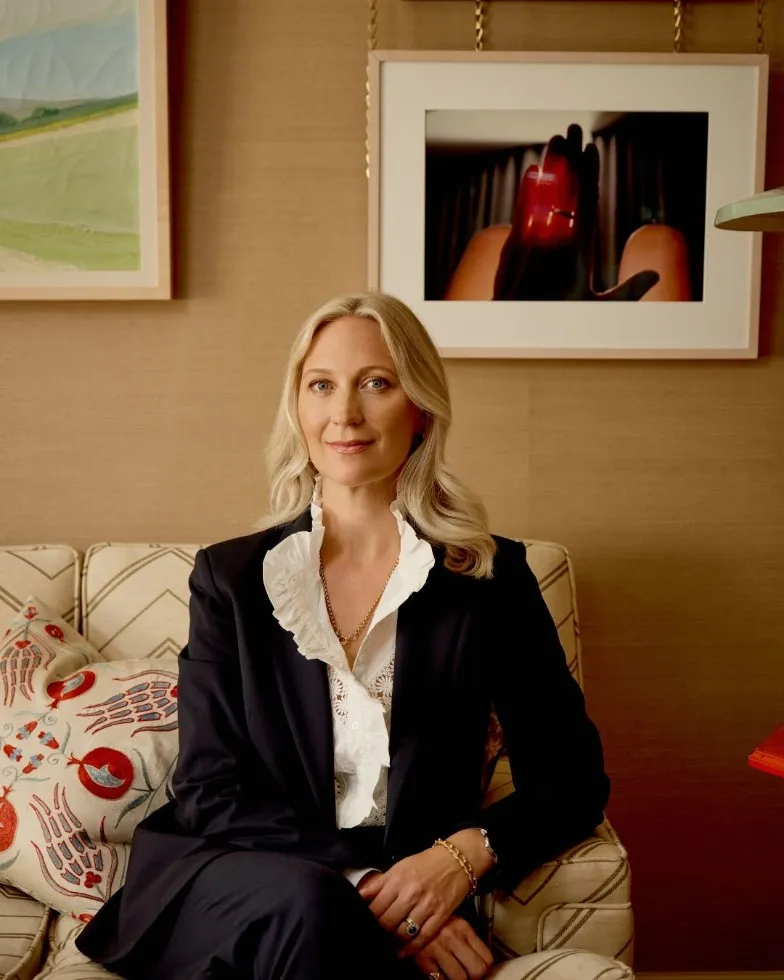
Why do you think antiques are important in a home?
Antiques are what make a house feel authentic. They bring a sense of permanence and history that is difficult to achieve with new furniture alone. A room without anything old can sometimes feel as though it has appeared overnight.What I love most about antiques is that they tell a story. They add depth, character and a feeling that a home has evolved naturally over time rather than being assembled all at once.

What is your guiding philosophy when decorating with antiques?
I think the most inviting houses are those that have evolved over time. Nothing feels too deliberate and that's often where the charm lies.The rooms I return to again and again are rarely the most perfect; they're the ones that feel personal, layered and full of life. Antiques play an important role in that because they bring a sense of history and permanence, helping a house feel rooted rather than styled.
A home is never really finished. It should continue to evolve as you find new pieces, inherit old ones and gradually add layers that reflect the way you live. That's what gives a house its character.
And if things aren't quite perfect? Well luckily, that's all part of the English look too.
What can antiques teach us about the English approach to decorating?
The English style is all about layering; colour, pattern, collected possessions and of course antiques.
Using antiques is also a great reminder that the English approach to decorating is not about perfection, it's about character and interest. You might use a scruffy painted pine chest in a boot room and a polished mahogany console table, complete with marble top, in the entrance hall. Pieces from polar ends of the spectrum can sit comfortably together in the same house. It's this mix, demonstrated so beautifully via the use of antiques, that is at the core of English decorating, but it can also be seen through the use of decorative art versus investment pieces, or blousy chintz fabrics sitting next to a dramatic bargello weave.
How can I incorporate antiques without making my home feel old-fashioned?
I rarely use antiques in isolation. A Georgian centre table can look wonderful beneath a contemporary pendant light, while a striking 1970s glass lamp can feel entirely at home alongside much older furniture.Some of the most successful interiors combine different periods. It's often that tension between old and new that keeps a room feeling fresh rather than nostalgic.
Do you have a favourite antique to decorate with?
That's an impossible question as different pieces work in different places, but I do generally lean towards Georgian furniture, and a pair of painted side chairs is always high up on my list for most homes.Using something like Heals furniture is a great way to incorporate antiques in to a more modern, clean lined, home and I think a good place generally to ease in to antiques if you are just starting out on that journey.
One style of antique I find quite hard placing is Art Deco, and I think it's good to realise that you don't have to like all periods of furniture! Edwardian can also sneak in trying to look like Georgian so beware of that.
What is the biggest mistake people make when buying antiques?
Not buying them! Antiques are one offs so if you see something and have a positive reaction to it then just buy it, before someone else does - you'll find somewhere it can work, and if not, you can sell it on. The only antiques I've ever regretted are the ones I didn't buy.On a practical note asking for a condition report is important if you are buying something without seeing it in the flesh. If you do have the opportunity to see it then open all the drawers, look underneath, have a really good poke around! Then make sure you are happy with the condition of the piece and that the price reflects it. If you only want to pay a few hundred pounds for a chest of drawers then you should accept that there will be marks on the top, veneer chipped off and probably quite a tatty back to the piece, but that's fine as it's lived a life before you. However, if you are paying upwards of a thousand pounds then you would expect the piece to have been sensitively restored and in good working condition.
How do you know when you've found the right antique?
There are practical considerations, of course, but I often find the best purchases are the ones I can't stop thinking about. If a piece stays with me after I've walked away, that's normally a good sign.The antiques I value most aren't necessarily the rarest or most expensive. They're simply the pieces that continue to bring pleasure years later.
 Previous Journal

Item has been added
to your basket!