Interior Design
Notes on Design With Nicole Salvesen
Nicole Salvesen explains how thoughtful furniture arrangement brings calm, character and longevity to a sitting room.
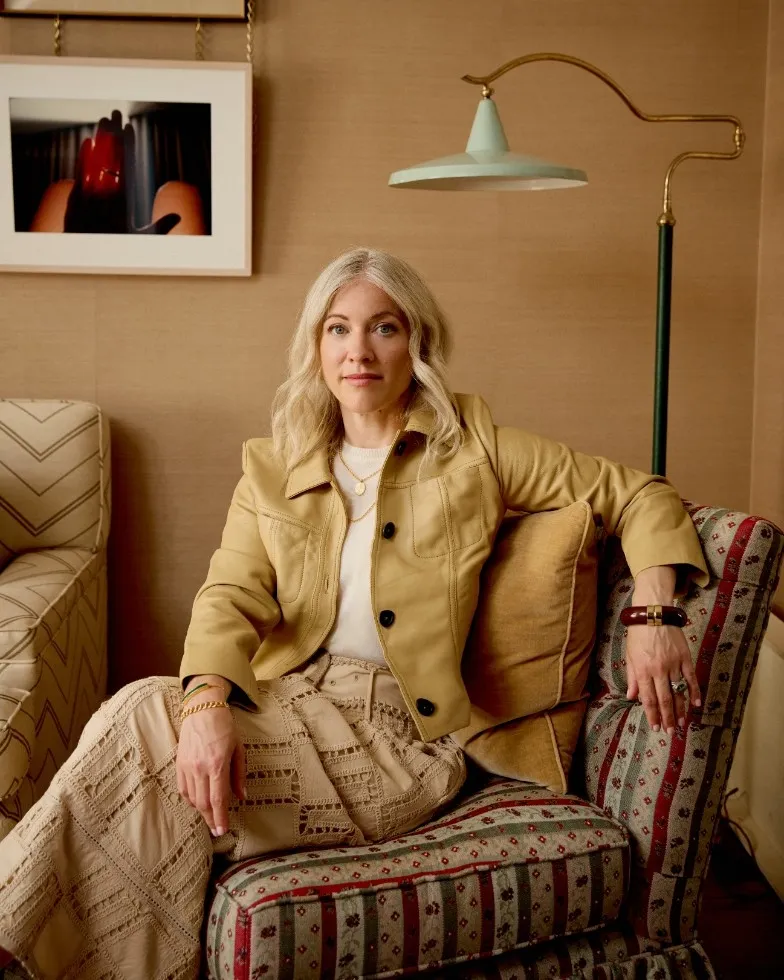
Drawing Rooms

Top tips for arranging furniture?
A good layout is less about symmetry and far more about how a room makes you feel. I nearly always try to resist the instinct to push everything back to the edges, allowing pieces to float creates calmer, more relaxed groupings that naturally encourage conversation, lingering and ease.If you can, choose a rug that’s big enough for the main pieces to sit comfortably on it (at least the front legs). Then arrange sofas and armchairs so they face one another with clear sightlines and easy circulation. A slightly angled occasional chair is one of my favourite tricks; it softens the arrangement and stops everything feeling too formal.
In smaller rooms, a two or three-seater sofa against the wall can work beautifully, as long as you balance it with armchairs pulled forward into the space. Do keep an eye on visual weight: lighter, leggy pieces lift a room, while deeper, more substantial armchairs add grounding.
Getting the mix of the furniture right
Getting the mix right is what ultimately gives a drawing room its ease and longevity. The most successful country interiors strike a careful balance between warmth and lightness. I love oak for the depth and patina it brings, there’s a reassuring permanence to it, and I’ll often use it for the larger, more “heritage” pieces: dining tables, dressers, chests. Then I’ll offset that weight with painted furniture (side tables, bookcases, chairs) to keep things feeling fresh and unforced.I also find the room immediately softens when you introduce a table dressed with a cloth. It adds movement and a little visual kindness without making things feel messy. Mixing finishes like this avoids the dreaded “matched set” look and helps a room feel layered and collected over time. Variation is everything: different tones of timber, gently worn paint, textiles with a little give, and pieces from different periods all contribute to a space that feels natural, relaxed, and comfortably lived in.
How do you balance respect for tradition with the need to make a space feel current and personal?
We always take the building as our starting point. The architecture will tell you what wants to be retained, reinstated and celebrated, and that usually gives a clear sense of direction. I do love history, but houses should be living, breathing places rather than museums.One of the simplest ways to make a traditional interior feel current is through personal layers: artwork, books, collections and objects that actually belong to the people living there. A formal drawing room can be instantly energised by one bold contemporary piece, it creates a dialogue between past and present that feels both relevant and deeply personal.
Do fireplaces belong at the centre of the drawing room?
In most drawing rooms, I do think a fireplace wants to be treated as the natural focal point. It gives the room structure, a clear “front”, and helps the seating feel intentional rather than dotted around.Where you have the option, a more central fireplace usually works best because it allows the room to balance itself. It gives you symmetry without forcing it, and it’s much easier to create a generous conversation arrangement around the hearth.
In smaller rooms, or where the architecture dictates, a fireplace may sit slightly off-centre and still work beautifully. The key is to acknowledge it: angle the sofa towards it, draw chairs in, and keep circulation easy so the room stays fluid. Even when it isn’t perfectly centred, treating it as the heart of the room is what makes everything feel settled and inviting.
The key to an enticing sitting room country vs. town.
Antiques and fabrics do a lot of the heavy lifting in a country room, they ground the space and lend authenticity, and generous rugs are essential for softening the expanses of floor you often get in older houses. Sisal is a brilliant, practical base, and I love layering it with patterned rugs to introduce warmth, colour and a sense of evolution over time.Unlike a town sitting room, which often benefits from restraint, a country interior can take a more confident mix of pattern and texture. Linens, wools and faded prints alongside tactile finishes and well-loved pieces create an atmosphere of ease and quiet charm rather than formality.
Extra seating matters too. A deep fender or upholstered ottoman near the fire gives you flexibility - somewhere to perch with a book, rest a tray, or pull closer on colder evenings.
Built-in or freestanding bookshelves?
Both have their place. Built-ins are wonderful for grounding a room and making the most of awkward alcoves or chimney breasts, they feel purposeful and permanent. Freestanding bookcases bring charm and adaptability, and they allow a room to evolve over time.In country houses especially, I often prefer a mixture: built-ins for structure, freestanding pieces for character - filled with books, artwork and personal objects rather than styled to perfection.
Choosing the right ottoman/coffee table
Scale is everything. An ottoman should sit comfortably within the seating arrangement, with enough room to move around it easily. In a country sitting room, I often favour antique or vintage pieces, and an upholstered ottoman in particular, it brings character and softness, and it instantly relaxes the mood of a room.Practicality matters too. Think about what you actually need: hidden storage, a surface sturdy enough for trays, books and drinks, or something lighter that can be moved around as needed. The best ottomans quietly anchor the room, adding warmth and function while letting the surrounding furniture and textures shine.
 Previous Journal

Item has been added
to your basket!